A coating that lasts a decade in a mild valley can fail in just a few seasons in the Sierra. The same elements that make the mountains stunning — intense sun, deep snow, and wild temperature swings — are exactly the conditions that pull an exterior finish apart. The good news: a finish built for this climate can look great for years. It just has to be done deliberately.
Why mountain exteriors fail early
Three forces do most of the damage around Tahoe, Reno, and Carson Valley, and they work as a team:
- High-altitude UV. Thinner air and snow glare mean far more ultraviolet hitting your walls. UV breaks down the binders that hold paint together, fading color and chalking the surface until it sheds like powder.
- Snow and the freeze-thaw cycle. Snow piled against siding keeps wood wet for months, and water that soaks into any tiny crack expands when it freezes, prying the coating off from behind. That cycle can run from fall well into spring.
- Big swings in temperature. Siding expands and contracts every day. A rigid, cheap film can't move with it and cracks; a quality, flexible coating stretches and recovers.
Builder-grade paint simply isn't formulated for this. It's why so many homes up here look chalky and tired only a few years after they were "freshly painted."
The season is short — timing is everything
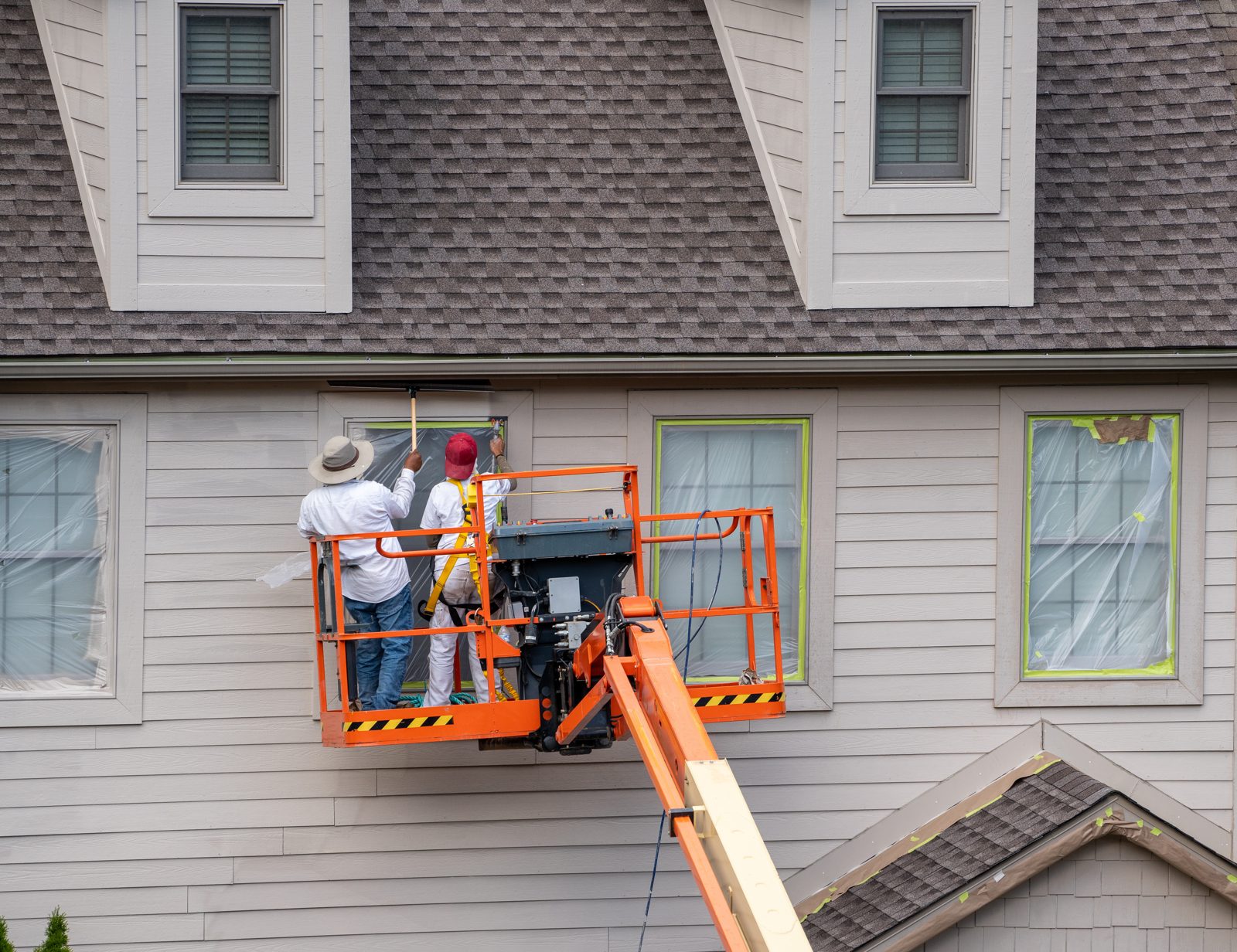
You can paint an interior any month of the year. Exteriors are a different story. The reliable window for exterior work in the high country runs roughly from late spring through early fall, once overnight lows stay above freezing long enough for coatings to cure properly.
Timing within that window matters too. Paint a wall too late in the day and falling evening temperatures or dew can ruin the cure. Chase a heat wave and the surface can flash-dry before it bonds. Part of doing this well is simply reading the forecast and the wall — working the shaded sides and the sunny sides at the right times of day.
Prep is most of the job
On a mountain exterior, the paint you can see is the last 20% of the work. The 80% that determines whether it lasts is the prep underneath:
- Wash away the dust, pollen, and chalk so the new coating can actually grip.
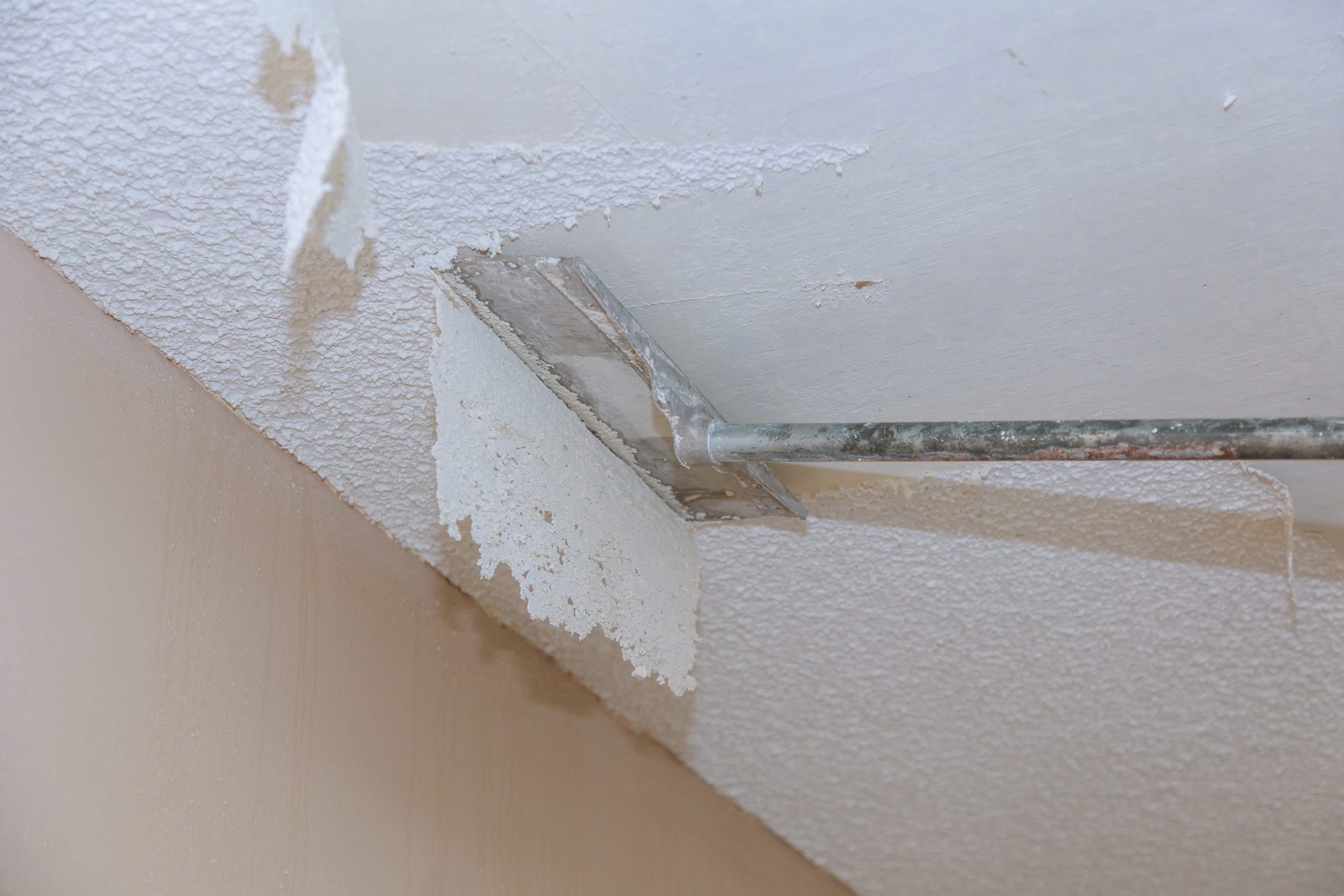
- Scrape and sand failing paint back to a sound, stable surface.
- Prime bare wood and stains with the right primer so the topcoat bonds and doesn't bleed.
- Caulk and seal the gaps where water sneaks in — around trim, joints, and fasteners.
Skip or rush any of these and even the best paint will peel on schedule. This is the single biggest reason a professional job outlasts a weekend one.
Wood needs to breathe
So many homes here are wood — log walls, cedar siding, board-and-batten, shake, big timber decks. Wood moves with moisture, and trapping that moisture under a hard, film-forming paint is what causes peeling and rot. The right answer is usually a breathable, penetrating stain or coating that lets the wood release water while still shielding it from UV and weather. We pay special attention to the snow line and to any wood that sits in snowpack — post bottoms, deck boards, the lower courses of siding — because that's where finishes fail first.
Color, fade, and HOA rules
Color isn't only a style choice up here. Many Tahoe and Sierra communities have approved palettes and defensible-space considerations, and the basin has environmental rules to respect. Beyond compliance, pigment quality decides how long your color survives the UV — premium, fade-resistant pigments hold their tone for years where cheap ones drift and chalk. Choosing the right color and the right product is part of the same decision.
A great exterior finish in the Sierra isn't a product you buy — it's a process: the right season, thorough prep, breathable coatings, and attention to where the snow sits.
Why a local pro is worth it
A crew that paints in this climate knows which coatings survive the UV and the snow line, how to prep so the finish actually bonds, and how to time the work around a short, weather-dependent season. At Ambition Painting, we build every exterior project around that reality — from a lakefront home in Glenbrook to a ranch in Gardnerville — so your house is protected before winter and looks the part by summer.
If your siding is chalking, peeling, or just overdue, the best time to plan is before the season fills up. We're glad to take a look and give you a straight answer on what it needs.