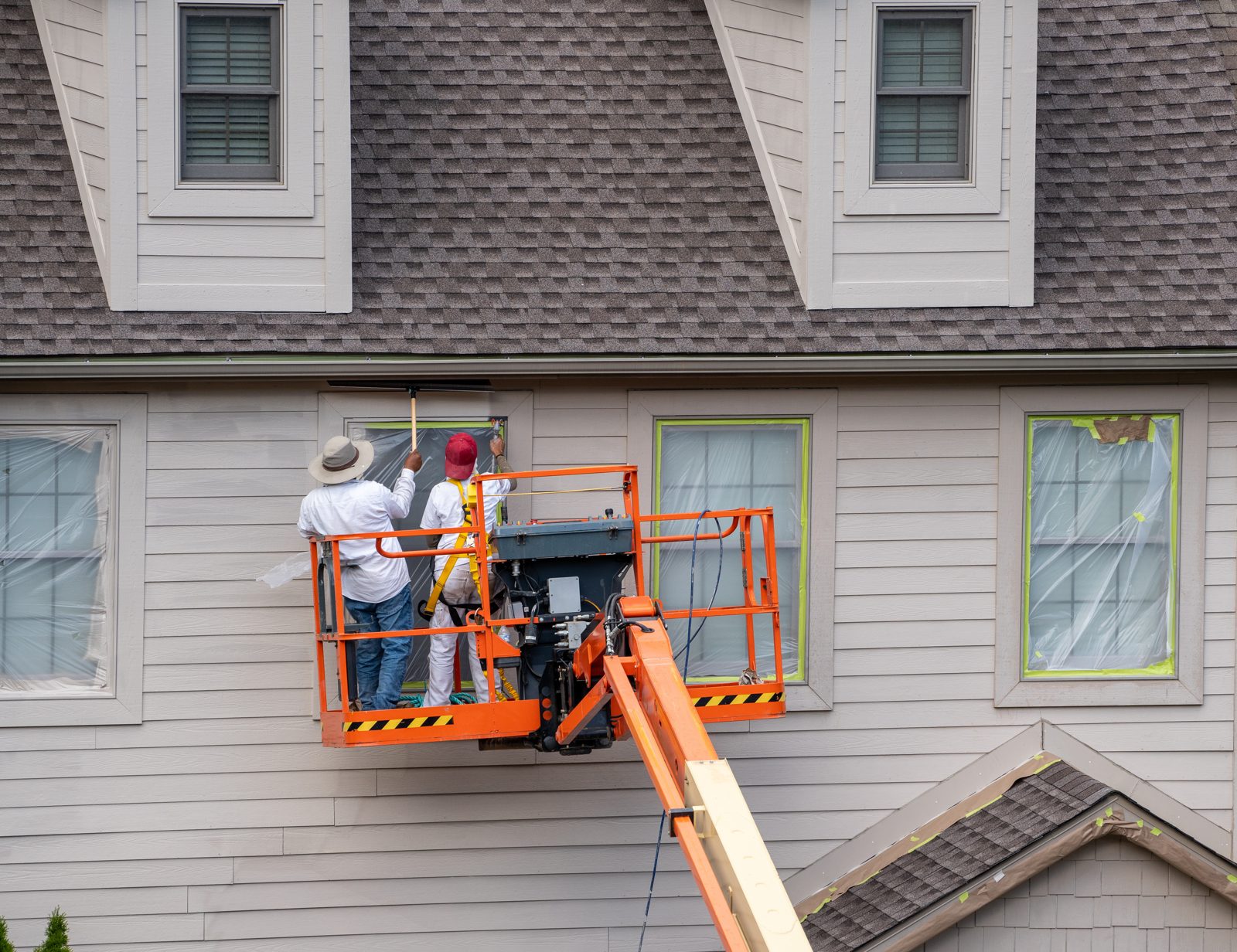
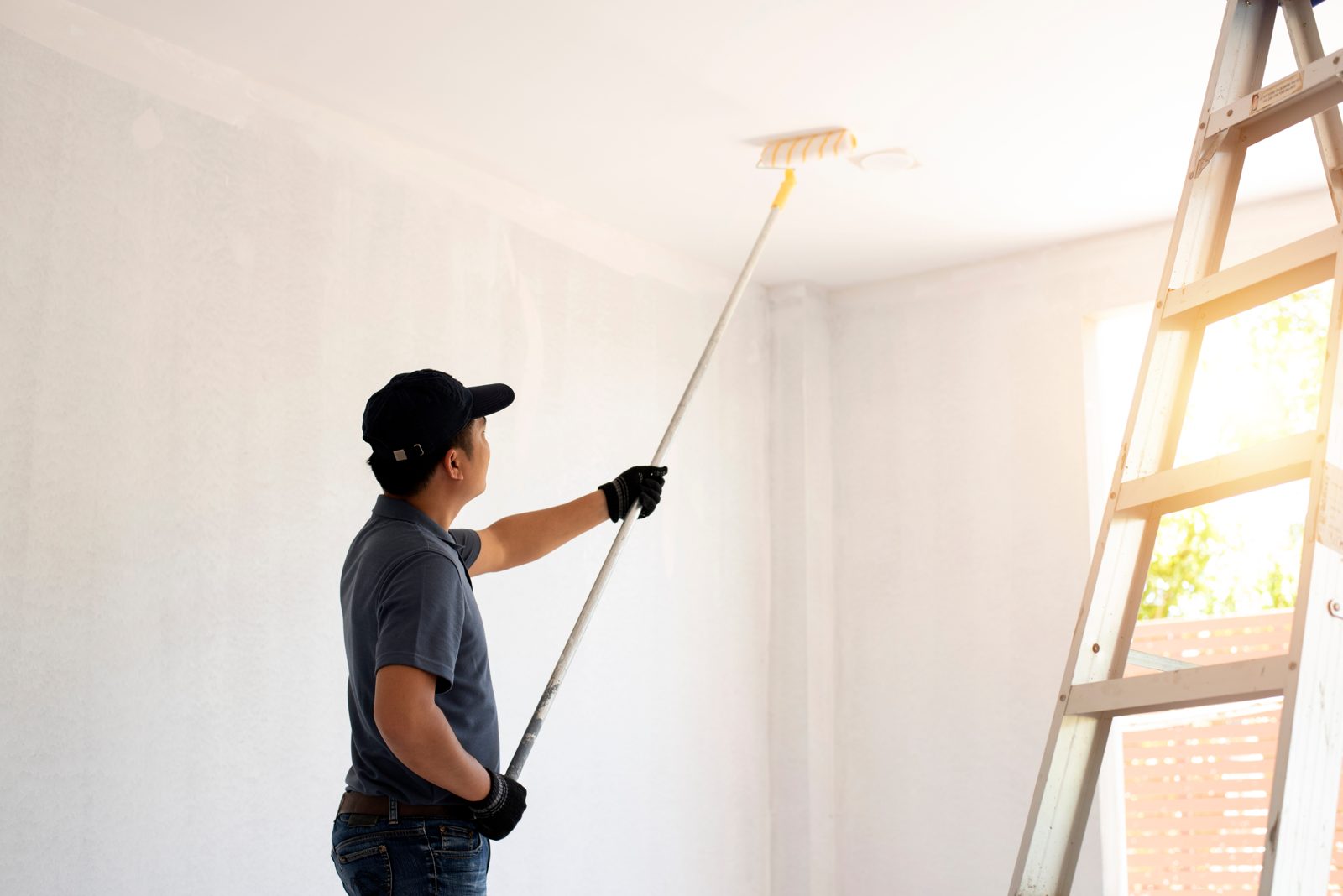
A cabin on the Nevada side of Lake Tahoe doesn't age the way a house in the valley does. Up at the lake, the same finish faces thinner air, stronger sun, deep snow against the walls, and a freeze-thaw cycle that runs most of the year. So the honest answer to “how often should I repaint or restain?” isn't a single number — it's a function of what your exterior is made of, which way it faces, and how the mountain treats it.
Why Tahoe cabins weather differently
Elevation changes everything. At lake level and above, ultraviolet light hits harder through the thin alpine air and reflects off the snow, breaking down finishes faster than anywhere down the hill. Snow piles against siding and log walls and keeps the wood wet for months, while water that seeps into any crack expands as it freezes and pries the coating loose. Add daily temperature swings that make wood expand and contract, and you have conditions that simply chew through finishes built for milder climates. It's the same set of forces that govern exterior house painting across the basin, only concentrated.
Repaint or restain? It depends on the surface
The first question isn't “how often” — it's “which.” What your cabin wears decides whether it's repainted or restained:
- Painted siding carries a film on the surface. When that film fades, chalks, or begins to peel, it's time to repaint — scrape and prime the failing areas, then recoat.
- Log and cedar are usually finished with a penetrating stain that soaks into the wood rather than forming a film. These are restained when the color greys and water stops beading on the surface.
Most Tahoe cabins are a mix — painted trim over stained log or cedar walls — so a real maintenance plan tracks each surface on its own clock. Stained wood generally needs attention more often than quality paint, because a penetrating finish wears thinner and faster than a built-up film. Many cabin owners pair their exterior schedule with deck and fence staining, since those flat surfaces wear fastest of all.
A maintenance timeline by surface
Rather than chase a fixed number of years, watch the wood and the walls. Here's roughly how the surfaces rank for how often they need care, fastest to slowest:
- Decks and flat horizontal wood — the most exposed, recoated most often.
- South- and west-facing walls — UV burns these first, so they outpace the shaded sides.
- Log and cedar siding — restained on a regular cadence as the penetrating finish thins.
- Painted siding and trim — the longest interval, repainted when the film shows fade or wear.
- Sheltered north-facing walls — the slowest to need attention.
The water-bead test tells you more than the calendar. When water soaks into the wood instead of beading on top, the finish is done protecting it — whatever the date says.
What this means on the Nevada side
Most painters on the lake work the California shore. We're a Nevada-licensed contractor based just down the hill in Carson City, so the Nevada side of Tahoe is home turf — from the pines of Incline Village and Crystal Bay to the lakefront estates of Glenbrook, the cabins of Zephyr Cove, and the resort homes of Stateline. We know what alpine elevation and hard winters do to a finish on these specific exposures, and we time the work to the short high-country season so the coating actually cures. If you want the full picture of the area we cover, our Lake Tahoe cabin painters (NV side) page lays it out.
Protect the home and the view it frames
The point of staying on a maintenance schedule isn't the schedule itself — it's catching the finish before it fails, when a recoat is straightforward and the wood underneath is still sound. Let a cabin go too long and you're not restaining anymore; you're repairing greyed, cracked, or rotting wood first, which costs far more. A little attention on the right interval protects the home and the view it frames for decades. While you're planning the outside, our guide to interior painting tips for Tahoe homes covers the inside.
If you're not sure where your cabin stands, we're glad to take a look and give you a straight read on what each surface needs and when.
Frequently Asked Questions
How often should you restain a log or cedar Tahoe cabin?
Log and cedar exteriors at Tahoe typically need restaining more often than painted siding, because the finish penetrates the wood rather than forming a film. South- and west-facing walls and the snow line wear fastest. A good test is whether water still beads on the wood, rather than a fixed number of years.
How do I know whether my cabin needs repainting or restaining?
It depends on the existing finish. Painted siding is repainted when the film fades, chalks, or starts to peel. Log and cedar are restained when the color greys and water no longer beads on the wood. We can look at your exterior and tell you which it needs and when.
Why do Tahoe cabin exteriors weather faster than valley homes?
Alpine elevation means thinner air and stronger UV, deep snow that sits against walls for months, and freeze-thaw cycles that run most of the year. Those forces break down a finish faster than the milder conditions in the Reno or Carson City valleys, so cabins need more frequent attention.
Who repaints and restains cabins on the Nevada side of Lake Tahoe?
Ambition Painting is a Nevada-licensed contractor based in nearby Carson City, serving Incline Village, Crystal Bay, Zephyr Cove, Stateline, and Glenbrook on Tahoe's Nevada shore. We repaint siding and restain log and cedar exteriors built for alpine elevation, snow, and intense UV.