Most homeowners spend weeks agonizing over paint color and about thirty seconds deciding on sheen — usually by defaulting to whatever the last coat was. That's a mistake, because sheen affects how a color actually reads on the wall, how forgiving it is of everyday wear, and how well it holds up to Reno and Tahoe's dry, high-altitude air. Get the sheen wrong and even a perfectly chosen color can look flat, patchy, or impossible to keep clean. Here's how to match the right finish to every room in the house.
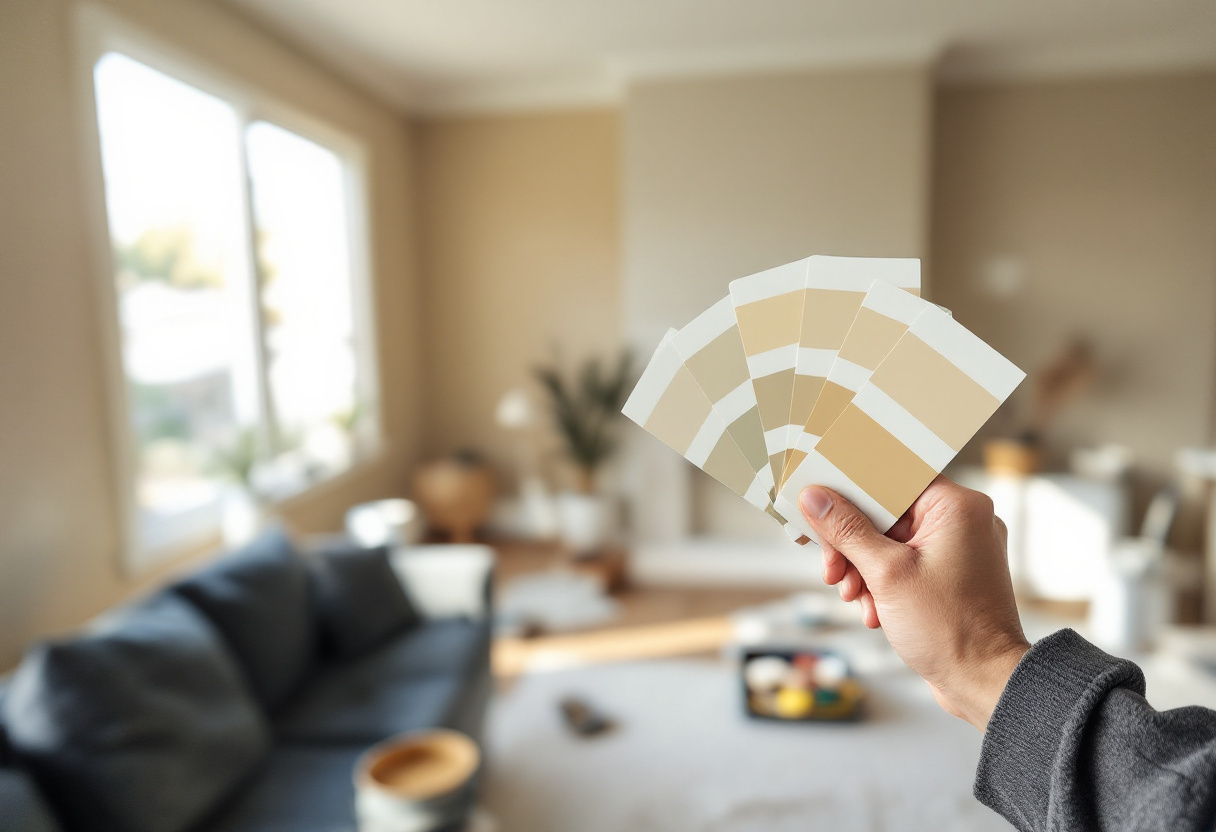
If you're still narrowing down a color palette, it's worth pairing this with our color consultation service — sheen and color decisions really need to happen together, not one after the other.
The sheen spectrum, explained
Paint sheen is really just a measure of how much light a dried finish reflects, and that single property drives almost everything else about how it performs:
- Flat / Matte. No shine at all. Best at hiding wall imperfections, drywall texture, and roller marks, but it marks up easily and can be tough to spot-clean without leaving a dull patch.
- Eggshell. A soft, low-luster sheen — slightly more washable than flat while still hiding most surface flaws. A common default for living rooms and bedrooms.
- Satin. Noticeably more reflective, wipes clean easily, and resists moisture well. The workhorse finish for kitchens, bathrooms, hallways, and any high-traffic wall.
- Semi-gloss. Shiny and highly durable. It telegraphs every dent and brush stroke on a large wall, which is exactly why it's reserved for trim, doors, window casings, and cabinetry rather than open wall space.
- High-gloss. The most reflective and most durable finish, typically limited to front doors, furniture, and accent pieces where a mirror-like shine is the point.
Room by room: what actually works
General sheen rules are a fine starting point, but the right call still depends on how a room actually gets used. Here's how we approach it on real projects around Northern Nevada:
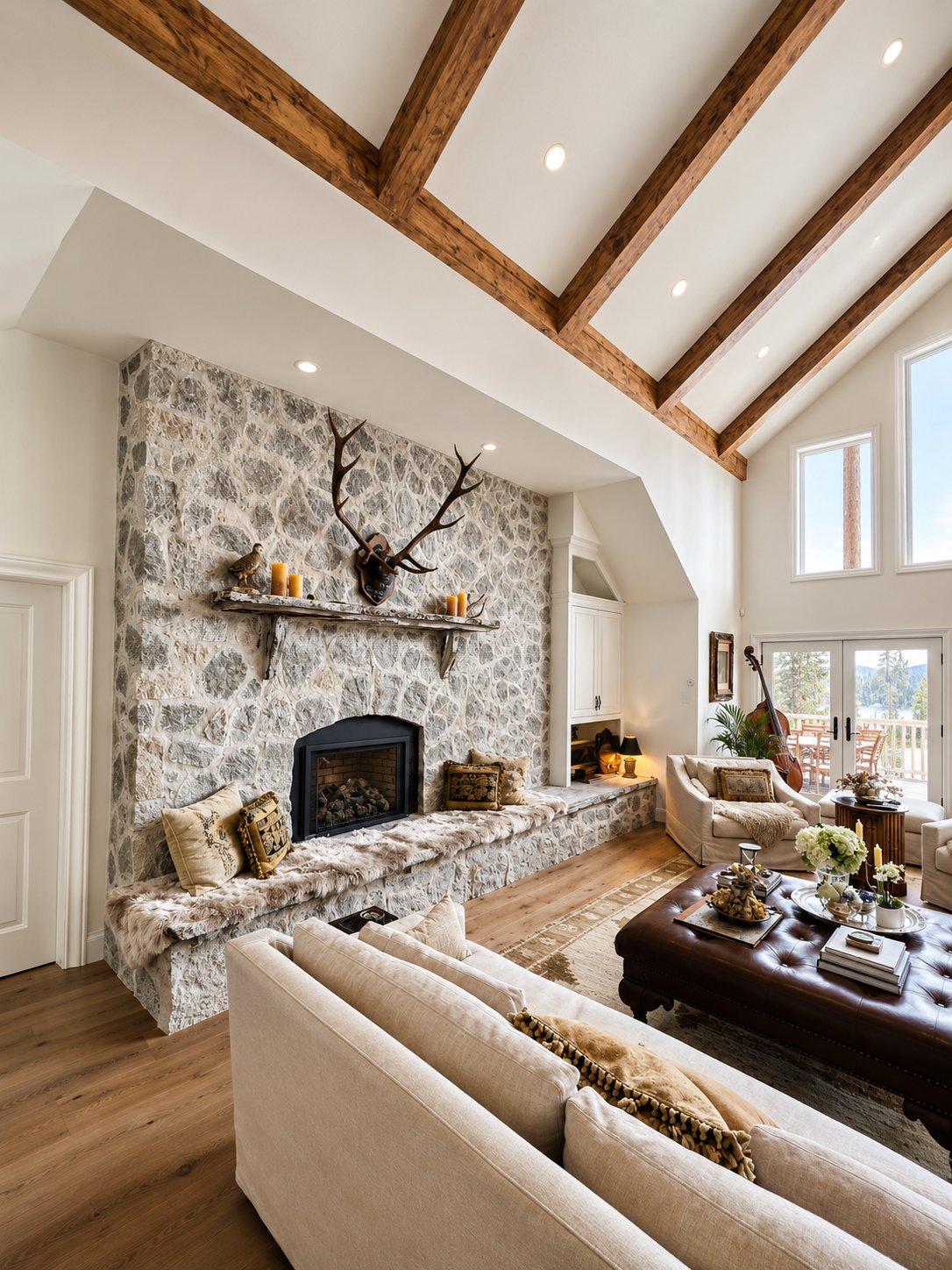
- Living rooms & bedrooms: Eggshell is the sweet spot — enough durability for daily life, without highlighting every seam and nail pop on a large wall.
- Kitchens & bathrooms: Satin handles humidity, splashes, and repeated wiping far better than flat or eggshell, and it doesn't have the glare problem semi-gloss creates over a big wall.
- Hallways, mudrooms & kids' rooms: Anywhere hands, backpacks, and furniture make regular contact with the wall benefits from satin's scrubbability.
- Trim, doors & window casings: Semi-gloss creates crisp contrast against wall color and shrugs off the constant contact that trim takes.
- Cabinetry: Satin or semi-gloss, depending on the look you want — see our full breakdown in cabinet refinishing vs. refacing vs. replacing for how sheen factors into a cabinet project specifically.
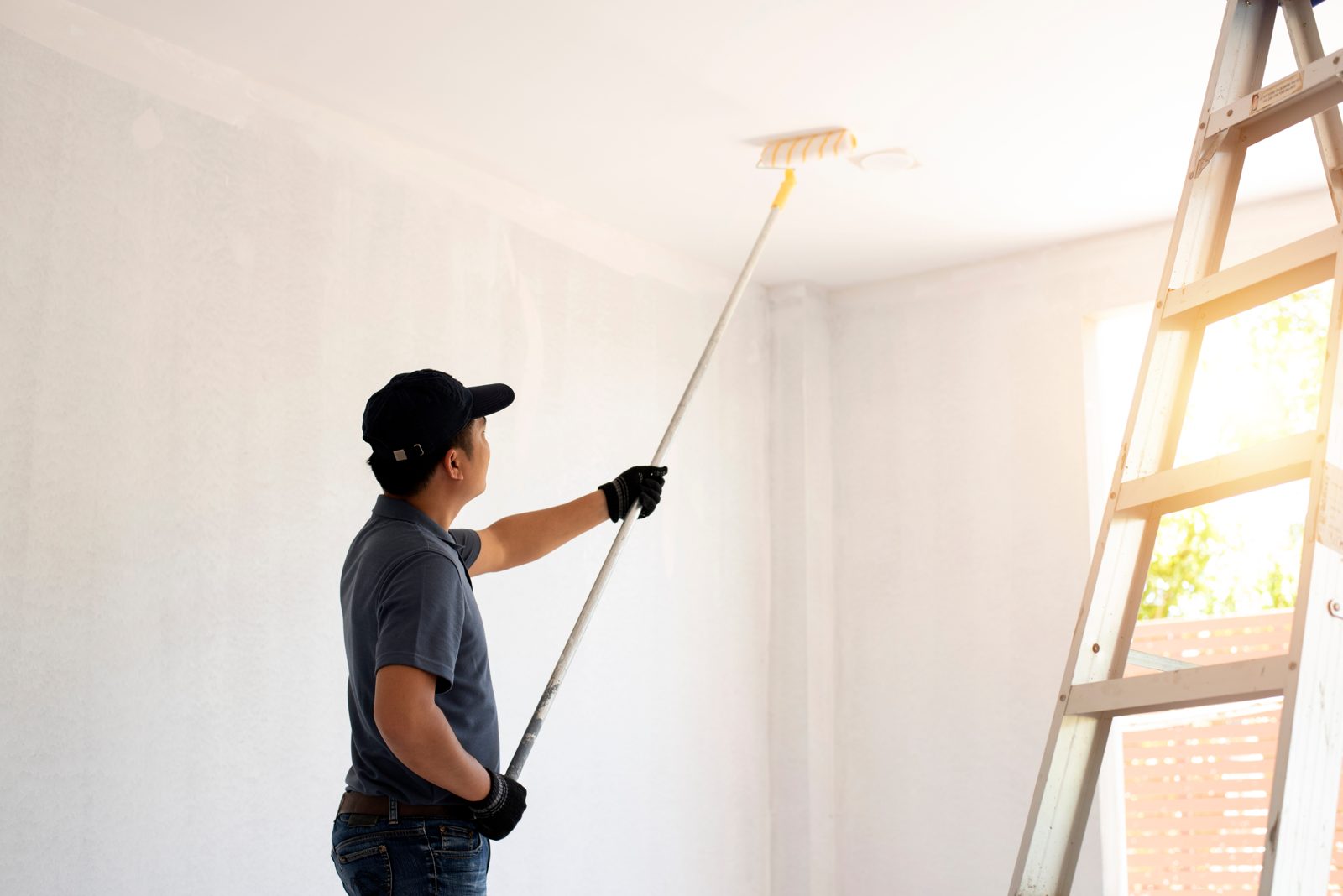
- Ceilings: Flat, almost without exception. It scatters light evenly and hides texture and minor imperfections instead of drawing attention to them.
- Home offices & formal dining rooms: Flat or eggshell if the walls are in good condition and the room sees light everyday traffic — a lower sheen gives paint colors a richer, more matte designer look.
The color is what you notice first. The sheen is what determines whether that color still looks good in six months.
Why altitude changes the answer here
Sheen selection isn't purely a style decision in Reno and Tahoe — the climate plays a real role. As we cover in why painting a Tahoe or Reno interior isn't like painting anywhere else, thin, dry mountain air makes paint set up faster than it would at sea level. That quick dry time can leave flat and matte finishes looking slightly uneven if lap marks aren't managed carefully during application, since there's less working time to blend a wet edge before it starts to tack up.
Higher sheens are more forgiving of that fast set time and hold up better against the wide indoor temperature swings that come with high-desert winters and sun-baked summers. It's one of the reasons painters working this region often lean toward satin a notch more than they would in a milder, more humid climate — not because flat and eggshell don't work, but because the technique has to account for how quickly the paint is drying on the wall.
Common sheen mistakes we see
- Flat paint in a high-traffic hallway. It looks great on day one and shows every scuff and fingerprint by month three.
- Semi-gloss on an imperfect wall. Older drywall, texture, or patched repairs get magnified under a glossy finish instead of hidden.
- Mismatched sheen between coats. Touch-up paint from a different sheen — or even a different can of the "same" satin — can dry with a visible sheen difference under the right light.
- Using the same sheen everywhere out of habit. One sheen for the whole house is simpler to buy, but it rarely performs equally well in every room.
Getting sheen right the first time
Sheen, color, surface prep, and application technique all interact — which is why the best results come from planning them together rather than picking a sheen off a paint chip and hoping. An in-home walkthrough lets us see your lighting, your wall condition, and how each room actually gets used before recommending a finish, whether the project is a single accent wall or a full interior repaint.
At Ambition Painting, we handle sheen and color selection as part of every interior project across Reno, Carson City, Minden & Gardnerville, and the Tahoe Basin, and we're glad to walk your home and recommend the right finish room by room before you commit to a gallon. See more on our interior painting page, or get a sense of typical project costs in what it costs to hire interior painters in Reno. Quality. Precision. Ambition.